Thursday, October 10, 2013

How to Help Your Senior Overcome Communication Issues as a Result of Illness

Families of seniors with certain illnesses may find that their elderly loved ones are not able to hear or speak as clearly as they once did as a result of the disease. Fortunately, with proper medical attention and assistance from family members and friends, it is possible for these elderly individuals to start to regain their ability to communicate with others. Some of the diseases that are most commonly linked with communication problems include:

Stroke related aphasia

Aphasia is a condition that inhibits a senior’s ability to use and understand language. It’s frequently caused by stroke, and many elderly individuals are able to partially recover from the condition. Speech therapy is a useful tool for helping a senior to get their communication skills back on track. Another unique therapy option is called melodic intonation therapy, which is when patients sing words and phrases that they aren’t able to speak.

Hearing loss

The National Institute of Health estimates that one in three people over 60 experience hearing issues, and that this number jumps to 50 percent of people over 80. If left untreated, hearing loss can cause an elderly individual to feel depressed and isolated. This is why it’s especially important for seniors and their loved ones to pay attention to early signs of hearing loss. Some of the indicators that a person is losing their hearing include:

  • Listening to the television or radio at particularly loud volumes
  • Asking people to repeat themselves
  • Avoiding social interactions

If it appears as if your elderly loved one may be experiencing hearing loss, senior care professionals advise scheduling a doctor’s visit as soon as possible.

Multiple sclerosis

Multiple sclerosis (known as MS) can impact an elderly individual’s ability to speak and understand others. Many people with MS struggle with issues involving their swallowing reflex, which is part of the reason behind the difficulty with speech. Home care professionals encourage loved ones of seniors with MS to keep an eye out for speech problems, as some elderly individuals with MS are unaware that they are not speaking as clearly as they once did.

While these communication difficulties are challenging for elderly individuals and their families, proper medical care and therapies can help to lessen the impact of the communication issues that often accompany these conditions.

Wednesday, October 9, 2013

What You Need to Know About Breast Cancer and Your Elderly Loved One

Knowing the facts about breast cancer is an essential part of understanding senior health. While women of all ages are vulnerable to breast cancer, elderly individuals are particularly at risk. In fact, an article asserts that 80 percent of all breast cancer occurs in women over 50, and 60 percent is found in women over 65. A woman’s odds of contracting breast cancer in her 30s is 1 in 233, but this jumps to one in eight when a woman reaches her 80s. For this reason, families and their elderly loved ones should have a good understanding about breast cancer, including effective treatments and the necessity behind regular screenings.

Once an elderly patient is diagnosed with cancer, doctors will work to come up with a comprehensive treatment plan to prevent the disease from spreading. The treatment regimen will vary depending on the stage of the cancer and the number of malignant cells. The four major treatment options that are most commonly used include:

  • Surgery
  • Radiation therapy
  • Chemotherapy
  • Hormone therapy

Fortunately, early detection and regular screenings can work to ensure that the patient learns about their cancer right away, thus allowing them to start on the right course of treatment as soon as possible. However, regular screenings can become a challenge for an elderly individual who may have limited mobility. In this case, families of elderly loved ones should consider hiring an eldercare professional who can help make sure that the senior gets to their appointments without a problem. They can also lend a hand when it comes to getting any necessary medications. Senior care professionals become an important partner for that elderly individual and their family, ensuring that medical needs are met and that the senior is able to be proactive about their health.

While senior care professionals can prove tremendously helpful for a family and their elderly loved one, family members have to continue to take an active role in protecting their senior’s health. In the event that the patient does receive a cancer diagnosis, the family should sit down for a meeting with the doctors who will be providing treatment. They should carefully go over the treatment plan, and be sure that the necessary steps are being taken to get that elderly individual well once again.

Monday, September 30, 2013

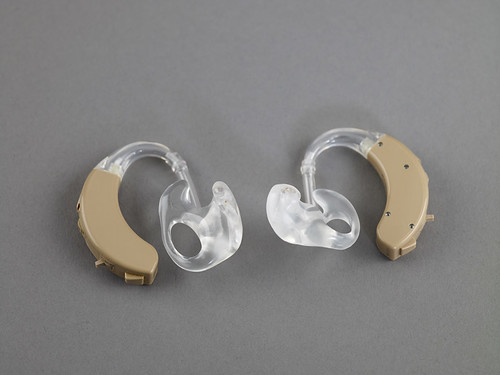
Hearing Aid Assistance for Seniors

Photo credit: birminghammag on Flickr.
With World Hearing Aid Awareness Week just around the corner (September 29 through October 5), it’s important to take a moment to understand just how integral it is that seniors have access to the resources they need to keep their hearing at the highest level possible. With regard to senior health, hearing is one of the senses that is most frequently lost or weakened during the aging process. As such, eldercare professionals in Hendersonville and Waynesville urge you to understand how you can help your elderly loved one to get the best care pertaining to their hearing possible.

Individuals who provide eldercare, Always Best Care Asheville professionals included, serve as a lifeline of sorts between seniors and the healthcare they need to stay in optimal shape. Below are a few things to keep in mind when celebrating Hearing Aid Awareness Week—and to remember as you care for your elderly loved one.

  1. Hearing loss can make seniors feel disoriented and cause them to become frustrated, as they have difficultly communicating. For many elderly individuals it is hard to admit that they are suffering from hearing loss, so it is important to schedule an appointment for your loved one if you believe they may be experiencing this issue. 
  2. Getting used to a hearing aid takes time, and the process of getting a hearing aid and using it can be intimidating to some people. Make sure that you remain patient with your loved one and that you take the time necessary to help them adjust to their hearing aid while providing them with the instruction they need to use it properly. 
  3. Keep in communication with your elderly loved one’s doctor. It is important that your senior has a support network that is there to help them through this experience. By keeping up with information regarding your loved one’s condition, you can better support them and their needs as they transition to the use of a hearing aid. 

Getting a hearing aid is something that greatly improves the quality of life for seniors who have hearing impairment. To celebrate Hearing Aid Awareness Week, why not schedule a hearing screening for your senior to make sure that they have access to the support they need?