Hearing is
an important part of daily activities. It helps people to know what is going on
around them, engage in conversation with others, and receive important
information. As people age, however, their hearing can begin to deteriorate.
This can make some activities more difficult or frustrating. There are also
medical and environmental causes of hearing loss.
Common Causes of Hearing Loss:
- Aging: Presbycusis is the term often used to describe hearing loss that occurs as a result of aging. Over time, hearing begins to decline but the extent varies from person to person. It can be affected by damage to the ear, loud noises, infections, disease, and more.
- Loud Noises: Prolonged exposure to loud noises or environments can impact hearing loss. Those who have worked in factories, construction, or other types of settings may have unknowingly damaged their hearing.
- Infection: Both viral and bacterial infections can impact hearing. Build up of fluid and earwax can as well. Treating infections promptly can help to preserve hearing.
- Tinnitus: This isn’t exactly hearing loss, but rather a ringing in the ears. It can impact seniors’ ability to hear correctly and make sense of conversation.
Effects of Hearing Loss:
- Decreased safety: If seniors cannot hear adequately, they may miss cues that indicate danger. They could miss warning alerts or simply the sound of something coming toward them. Not being able to hear the phone or having to turn devices up loudly can be problematic.
- Decreased socialization: Because they have difficulty hearing conversations, programs, or surrounding noises, seniors may shy away from social activities. It could be a frustrating situation, or perhaps they do not want to admit that their hearing is deteriorating. With decreased hearing, it can become more challenging to engage in back and forth dialogue or pay attention to television shows, movies, or other activities.
- Misunderstanding: Not being able to understand what someone is saying can lead to misunderstandings. Seniors may not understand how to properly take medication or use appliances. They may misinterpret instructions or directions. This can lead to more serious issues.
Recognizing
the signs of hearing loss and undergoing regular screenings can help to
identify problems before they become more serious. Treatment can help to clear
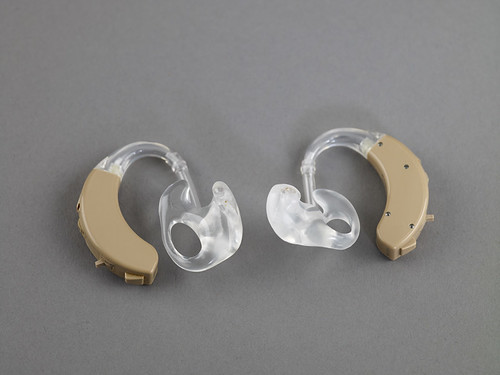
up infections or resolve certain damage to the ear. Hearing aids can help to
amplify and direct sound to make hearing easier. There are also modifications
that can be made around the home to help mitigate the effects of hearing loss
and increase safety. These could include lights that flash when the phone
rings, smoke alarm goes off, or doorbell is rung. This combines the auditory
signal with a visual signal. If you or a loved one is having difficulty hearing
or notice you have to turn things up more loudly,
consider having your hearing checked to detect potential problems.